
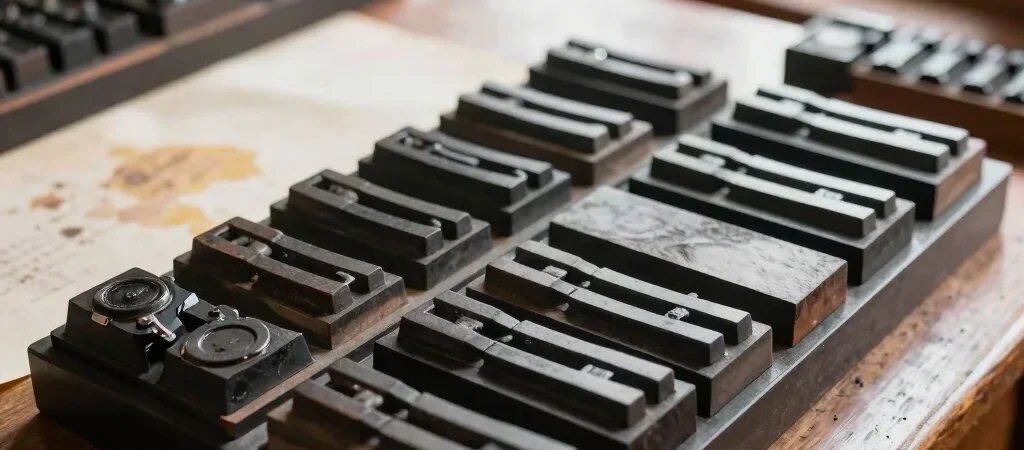
Walk down College Street during the humid twilight and you will hear the rustle of paper before you see the books. Known locally as Boi Para, this neighborhood has served as the intellectual pulse of Kolkata for nearly two centuries. Yet behind the vibrant stalls stacked high with textbooks lies a quieter, living archive of hand-cranked letterpresses and forgotten printing houses that laid the foundation for the Bengal Renaissance.
The Rise of Bengal's Letterpress Culture
In the mid-nineteenth century, small printing shops sprouted along the alleyways surrounding Hindu College and the University of Calcutta. Craftsmen worked with wooden blocks and cast-metal lead type to produce everything from political pamphlets and radical poetry to classical translations. These modest presses transformed publishing into a democratic endeavor, allowing emerging writers to circulate ideas across Bengal without seeking approval from British colonial institutions.
Preserving Ink and Paper Records
Visiting these surviving print shops today reveals a craft hanging by a thread, preserved only by dedicated families who refuse to abandon their wooden type cases. The scent of kerosene, heavy black oil, and aged rag paper still fills these narrow rooms. Historians and local collectors frequently gather in these workshops to cross-reference personal family journals with rare early print editions that exist nowhere else.
Sharing Your Local Family Histories
The story of Boi Para is not complete without the personal accounts preserved in private homes across the city. Many households retain rare pamphlets, self-published journals, or letters printed by these historic neighborhood presses. We invite our readers to visit our community discussion forum to share titles or recollections from their own family archives.